Summer Session
Summer Session – Help Desk: Internship Woes
Kicking off our 2016 Summer Session is a sequence of articles that regard labor in the arts: work, innovation, compensation, leisure, and more! In this Help Desk column, Bean Gilsdorf answers a question about internships, working for free, training for future employment—and considering what the law allows. The article was originally published on December 17, 2012.
In general, blog writing is a tricky area in terms of authorship. I wrote the blog for a gallery for over six months without having my name attached. The blog did very well and was picked up on by a local magazine that asked the gallery owner to contribute a regular guest column for their publication. Unbeknownst to them, the blog was written by me, the intern. I proceeded to plan and outline the next six months of art-related subject matter with the pretext that I would be getting paid as my internship was completed. After the internship had ended, I wrote three posts for the gallery’s blog before the owner told me it was no longer in his budget. I was never paid for those entries and my ideas continue to be used thereafter. As interns, I realize that we must be willing to work without pay and cannot expect full agency in the work we do without a real job title. Still, I am wondering how you would suggest interns find a balance here? Where do we draw the line on our unpaid time and efforts while aspiring to get recognition for the work that we do?

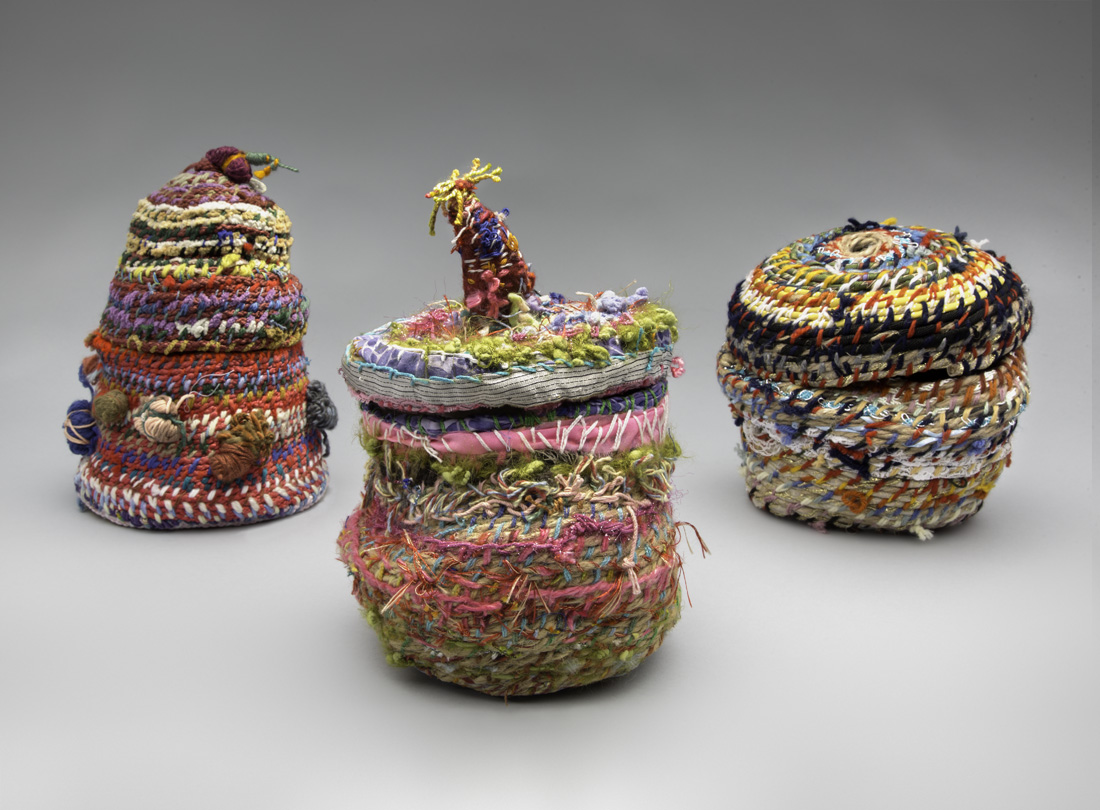
Yoyoi Kusama. Dots Obsession, 1999; mixed media. Collection of Les Abattoirs, Toulouse.
I talked to Jonathan Melber, the co-author of ART/WORK, about your dilemma. He had a few thoughts about your predicament. First, in terms of authorship of a blog, “If you write it, then it’s your intellectual property unless you’ve granted it to someone else in writing, for example in the blog owner’s terms of service or in a gallery’s employment agreement.” Second, “You can still ask to get proper credit for this work. Maybe you can get them to add a byline, or get permission to link to it, or to list it on your resume.” Melber recommended that you talk with the gallery owner to see if you can get credit for the blog. And if you manage to obtain that acknowledgement, then talk to the editors at the magazine about retroactive credit there. He also pointed out, “Of course, you could threaten a lawsuit, which might result in the gallerist having to take the blog entries down, but the repercussions are probably not worth it,” so think long and hard before you travel that route—lawsuits are ugly and expensive. If you have no luck with the gallery owner (and you didn’t hear it from me), there’s a blog called How’s My Dealing? where artists vent anonymously about how galleries have treated them. At least you’d have your revenge.
Beyond the problem of this particular gallery internship, let’s talk about working without pay and the notions of agency and effort, as you do in the second part of your letter. What is an internship for? Ideally, you receive on-the-job training (essentially, an education) and your employer receives a helping hand (of sorts). As with any educational or business agreement, there should be a contract that outlines responsibilities and expectations—for you both. Now, having said that—and acknowledging the massive imbalance of power in traditional internship situations—let me say that in the cases where no contract is forthcoming, you should at least have a conversation about your role and the benefits that your work will have for both the company/gallery and your professional life. Take notes! Ask specific questions about the duties you will be asked to perform. Do interns ever fill in for a sick receptionist? Will you be expected to clean up after openings? And for what, if anything, can you expect to take credit when you leave? Put your cards on the table and expect your internship mentor to do the same. If you want training for the “real world,” then this is definitely it, so don’t be shy.