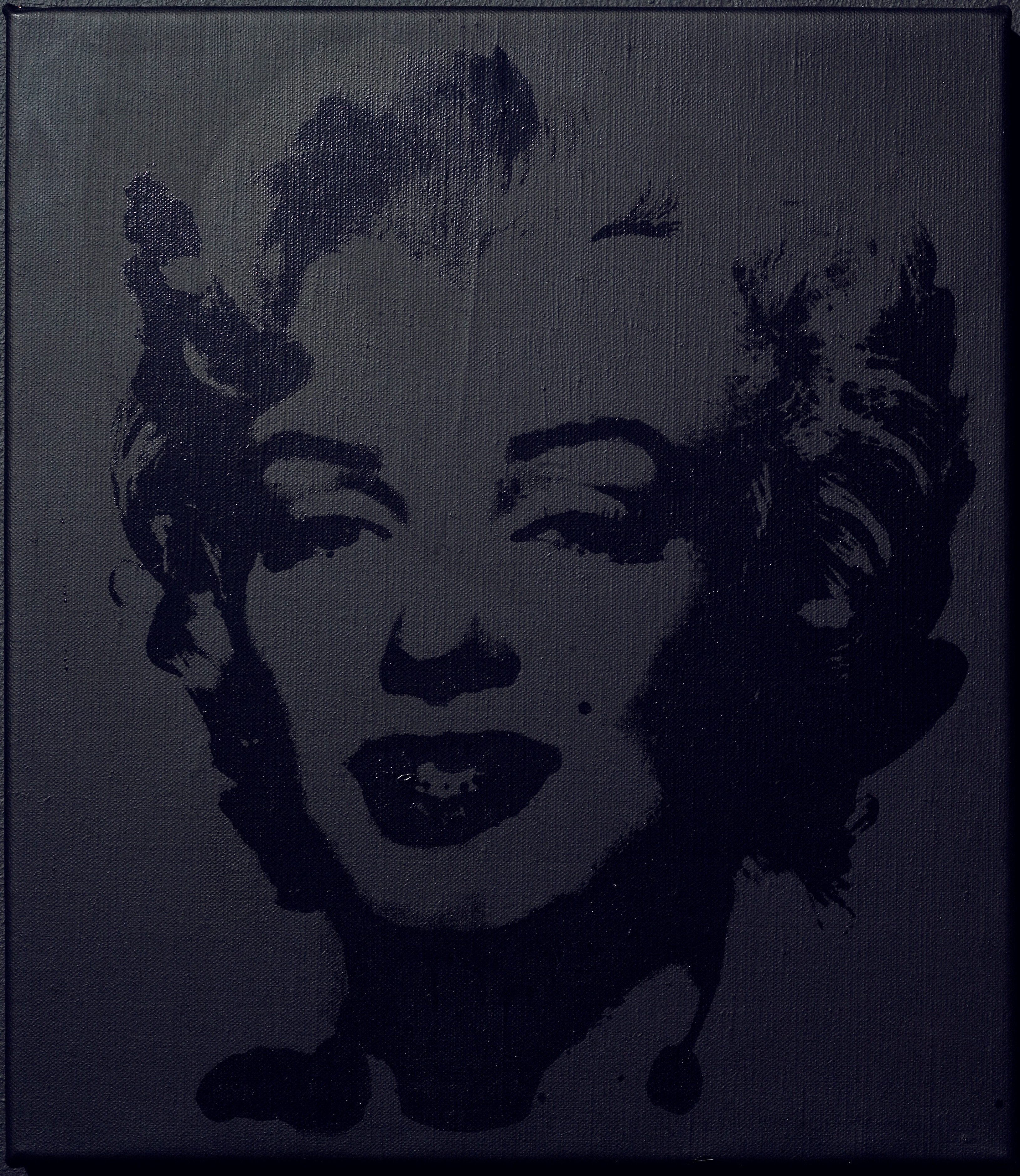
“There’s no content being produced, because I’m in the first generation that grew up digital…. We are just transferring all the time: tape, CDs, and now the clouds.”[1]
Something radical has been happening for a while in art that has been evading easy classification. The digital fold has facilitated a giant mash-up of layers upon layers of information composed from fragments of fragments. Sound bites, video clips, 140-character quips, and filtered snapshots are curated extracts, continuously looping in a recopied and redistributed cycle. Yet in an age of digital re-pointing, the language used to consider art is still rooted in a Modernist dialogue of movements and styles, and it’s inevitable that there would be a notional presupposition about much of the work made today. It would be easy to misclassify an artist’s use of digital-processing as part of a conceptual practice, but putting aside dated art-historical constructs, let’s incorporate the twenty-year-old foundation of Relational Aesthetics as a jumping-off point instead. Artists now process information rather than material or even constructed experiences; viewed through this theoretic lens, even if an artist paints color-field paintings in 2014, the resulting paint strokes are the consequence of reprocessed information. It’s a seemingly subtle shift, but one that accounts for process as the medium for our digital age. This is the access point for Michael Riedel’s current solo show at David Zwirner’s London gallery. Riedel has been making art—collaboratively and individually—for the last 14 years, and one won’t get a more succinct example of his mantra of “Record–Label–Playback” than in this exhibition.

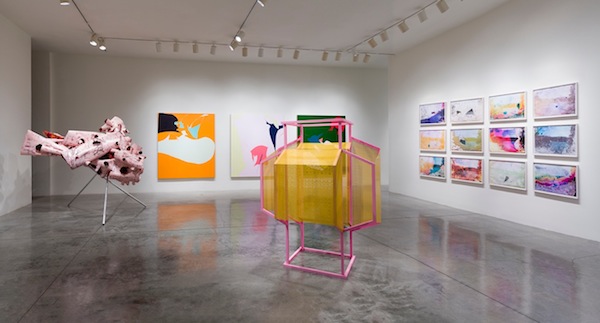
Michael Riedel. Laws of Form, 2014; installation view, David Zwirner, London. Courtesy of the Artists and David Zwirner, New York/London.
On the ground floor, the installation Oskar-von-Miller Strasse 16 (2000–2011) offers ephemera and documentation of the collaborative activities of the Frankfurt art space that Riedel started with Dennis Loesch. The space is described as a “recording device that would merely replay the cultural offering it had recorded and then marvel at the pops, hisses, crackles, and skips that such playback caused.” Oskar-von-Miller Strasse 16 (OMS) opened its doors in 2000 by restaging a deinstalled Jim Isermann show taken from the garbage bins of a nearby museum. Other offerings included film nights that screened handycam-captured films from art theaters, reenactments of talks and readings of cultural importance, club nights that reconstituted other club nights by replacing the recorded sounds from those clubs, numerous copied publications and posters (often produced by printing over the source material), and on one occasion, hired actors to mime Gilbert and George at their own reception; all of which was obsessively documented. This continual outward critique would intermittently point back and copy itself by re-creating exhibitions from documentation of past shows. Each copy, with its flaws and interpretations, creates a new document. This strategy unfailingly extends to the Zwirner show where exhibition fragments, video documentation, and publication byproduct fill the space. One technique that OMS unwaveringly used was that the reproducible images were always done in black-and-white. This furthers the distortion, pushing the work away from its source and toward ambiguity. Framed and orderly, the ground floor has the tangential raw energy of a zine made gigantic, but the fun-spirited energy and prankster aura of the original space is still very much present in this re-presentation. Riedel offers another fold in the ground floor’s rear gallery by precisely re-creating the visual elements from Warhol Shooting (2001)—a reenactment of Cecil Beaton’s photo Andy Warhol and Members of the Factory—complete with a mirrored table, built-out corner with accompanying electrical wire, cheap wood-constructed window facsimile, stripy shirt, and tripod. To complete the install, stacks of the newly published Oskar (2014), the artist book that tallies up ten years of OMS activities, adorn the table as mass-produced props. A contained system of process in itself, the 490 pages of content are a reedited and expanded version of the earlier German version from 2003.
Read More »