Help Desk
Help Desk: Breaking into Arts Journalism
Help Desk is an arts-advice column that demystifies practices for artists, writers, curators, collectors, patrons, and the general public. Submit your questions anonymously here. All submissions become the property of Daily Serving.
I love writing and I love art. I have been teaching for ten years, and now I am looking to break into journalism and the arts. Should I head back to uni and do a journalism course or attempt all of the competitions possible in order to build a portfolio? Please help.

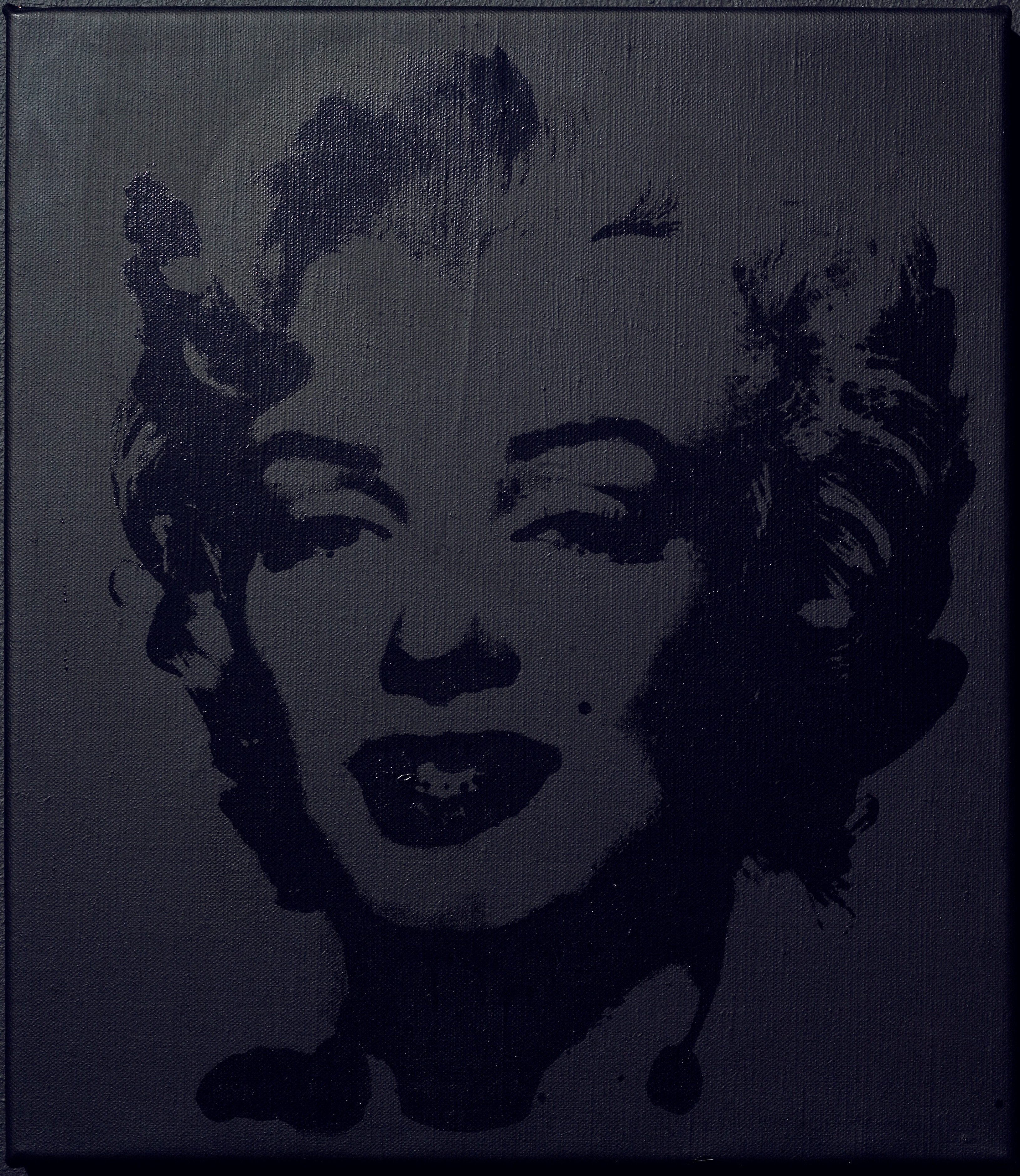
The Krasnals. Dream Factory, 2008; oil on canvas.
Given the costs, it’s difficult to advise anyone except the independently wealthy to go back to school for a post-post-secondary education—even in the UK, where universities can only charge up to £9,000 per year. (In the U.S., of course, annual tuition for a public-school graduate program averages around $30,000.) Of course, you could certainly make an argument for returning to school for the networking, but banking on meeting the “right” people—and impressing them favorably—doesn’t always pay off. Instead, since you’re a teacher and you already know how to design and execute an academic plan, you could DIY an education. If you have discipline and ambition, consider embarking on a self-designed scheme to create a practice as an arts writer.
The basic components of a university arts-journalism curriculum would be classes in art history and theory, assignments in reading and writing, and feedback on your work. You can build these elements on your own, and some will come easier than others. Most accessible are the materials: online classes (some for free), videos from conferences, and podcasts devoted to art history, theory, and visual culture studies. In fact, there’s so much information that you might start to feel like a tiny hiker at the base of the Pyrenees, but don’t get buried in an avalanche of knowledge or your life will be all research and no writing. I suggest that you seek out some syllabi that can guide you toward canonical and/or useful texts—I conducted a basic Google search for “art theory syllabus” and turned up some great results. Find ten syllabi from trustworthy sources and see where they overlap; start with those books and articles. Identify other materials that sound interesting, and make an outline and a schedule. Leave yourself some flexibility to follow up on new leads; if you read an excellent text, check out its bibliography. If you’re working from anthologies and excerpts, it’s usually worth your while to obtain some of the original documents.