Hashtags
#Hashtags: Conceptualizing Difference
#institutions #race #conceptualism #access #appropriation
A recent performance at Brown University by conceptual poet Kenneth Goldsmith has resurrected what had seemed to be a long-ago-settled debate. Goldsmith, whose poetic practice is based on appropriation, presented an adaptation of the autopsy report of Ferguson, Missouri, police shooting victim Michael Brown as a poetic reading during the Interrupt 3 arts festival in mid-March. The subsequent commentary has largely taken Goldsmith to task for what many perceive to have been a tasteless and implicitly racist work of art. As collateral damage, many of Goldsmith’s critics have been quick to dismiss the validity of conceptual or appropriation strategies as legitimate art practice, despite such forms having firmly established precedents throughout the past century. Furthermore, some have suggested that conceptualism is a mode of artistic practice that serves to reinforce white supremacy.
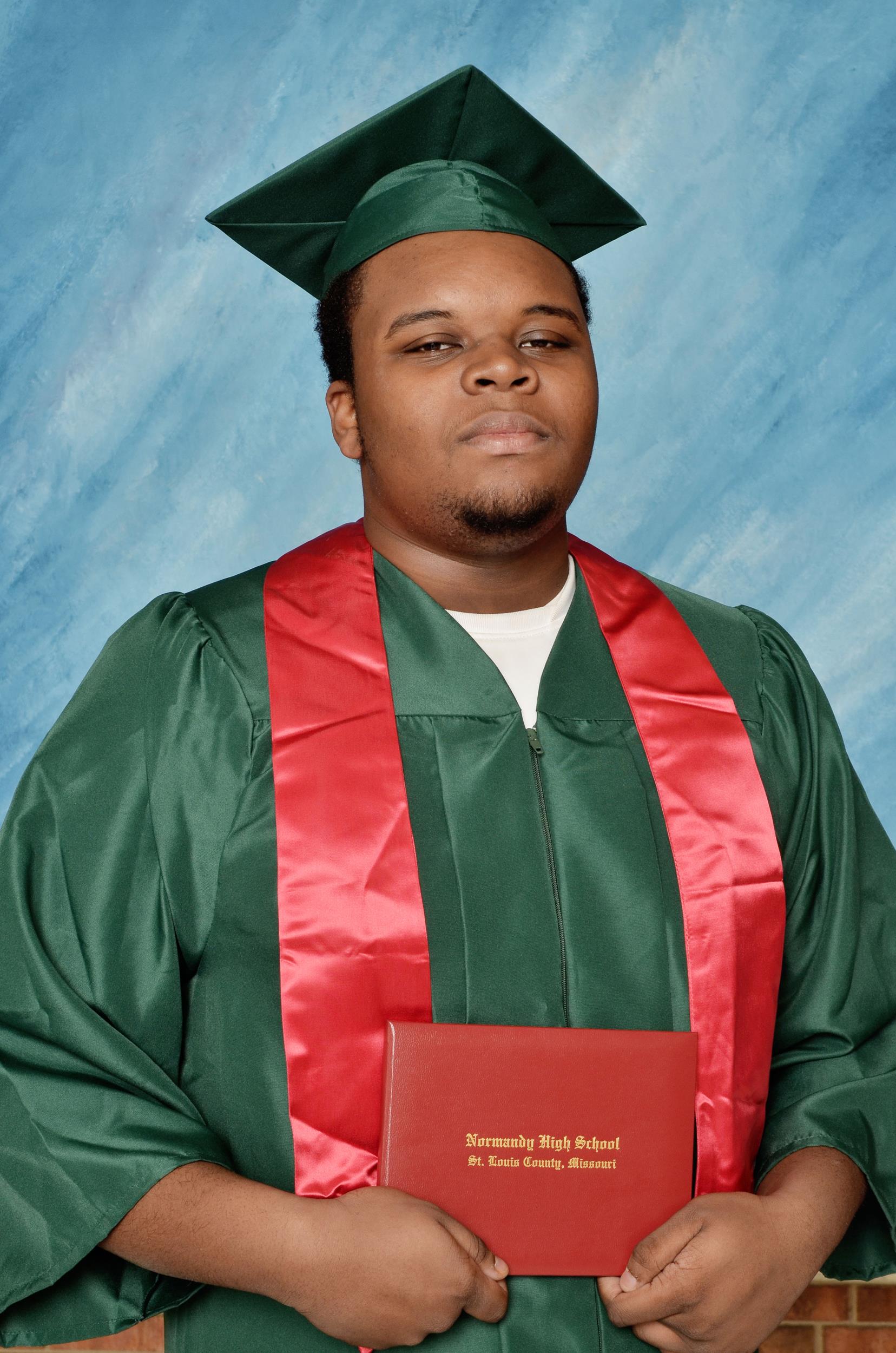
Michael Brown. Graduation photo.
To what degree are these claims valid, and does Goldsmith’s effort have any legitimacy? From an emotional perspective, as a person of color in the United States, it is difficult not to take umbrage at the image of a white man, a published poet and Ivy League academic, appropriating the murdered body of a Black man for the benefit of a largely white audience that may be sympathetic but cannot empathize with the deceased. However, emotion is hardly the most productive filter through which to perceive conceptual art. Deliberately affectless, many conceptual strategies hinge on re-presentation rather than representation, and “treatment” rather than interpretation. Artistically, Goldsmith’s biggest failure is that he violates the tenets of conceptualism that dictate a text be either appropriated whole or subjected to a chance-based rather than choice-based editing process. Goldsmith does neither; instead he cherry-picks sections and replaces clinical terms with more digestible ones. Many of Goldsmith’s critics have called out his decision to end his reading at a description of the murdered Brown’s genitals, truncating the original report in order to close on a salacious detail that evokes memories of lynchings and castrations in the collective racial consciousness.