Anuradha Vikram is a critic, curator, and educator based in the San Francisco Bay Area. She has been an Instructor in art history and theory at San Jose State University, College of Marin, and UC Berkeley. She has curated exhibitions for Craft and Folk Art Museum in Los Angeles, Mills College Art Museum in Oakland, as well as Kala Art Institute, ProArts, SOMArts and other Bay Area venues. Her writing has appeared in Artillery, Art Practical, Afterimage, LEONARDO, and OPEN SPACE: The SFMOMA Blog, as well as in books and catalogues on contemporary American artists including Sonya Rapoport and Chitra Ganesh. From 2009-2013, she was Curator at the Worth Ryder Art Gallery in the UC Berkeley Department of Art Practice. Previous positions include Gallery Director at Aicon Gallery, Palo Alto, CA; Program Director at Headlands Center for the Arts in Sausalito, CA; Associate Producer of ISEA2006 Symposium and concurrent Zero One San Jose: A Global Festival of Art on the Edge, San Jose, CA; and Exhibitions Director at the Richmond Art Center, Richmond, CA. Prior to relocating to the Bay Area from New York, she managed the studio of Claes Oldenburg and Coosje van Bruggen. She has an MA in Curatorial Practice from California College of the Arts and a BS in Studio Art from New York University.

#embodiment #performance #fashion #commerce #beauty #ReiKawakubo Given their constant presence in our lives, we think surprisingly little about our bodies. When we do, we are often thinking of ways to make them less body, more commodity. For women in particular, the body is the site of our social acceptability and our abjection. Fashion is how we navigate that landscape. Philosopher Kwame Anthony Appiah has proposed that the[…..]
![Installation view of Henry Taylor, The 4th, 2012-2017 and THE TIMES THAY AINT A
CHANGING, FAST ENOUGH!, 2017, with Deana Lawson, Ring Bearer, 2016. [Taylor]
Collection of the artist; courtesy Blum & Poe, Los Angeles/New York/Tokyo. [Lawson]
Collection of the artist; courtesy Rhona Hoffman Gallery, Chicago, and Sikkema Jenkins &
Co., New York. Whitney Biennial 2017, Whitney Museum of American Art, New York, March
17-June 11, 2017. Photo by Matthew Carasella.](http://www.dailyserving.com/wp-content/uploads/2017/04/11_HenryTaylor_DeanaLawson_Install_2017Biennial-sm.jpg)
#representation #WhitneyMuseum #EmmettTill #DanaSchutz #MartinBerger #race #civilrights So much hinges on the question of audience. Who is presumed to engage with artwork, and on what terms? In the museum, people of color so often feel that we are not the intended audience. The hurt that we experience on realizing that disconnect—that we are here for art but art is not necessarily here for us—has now been[…..]
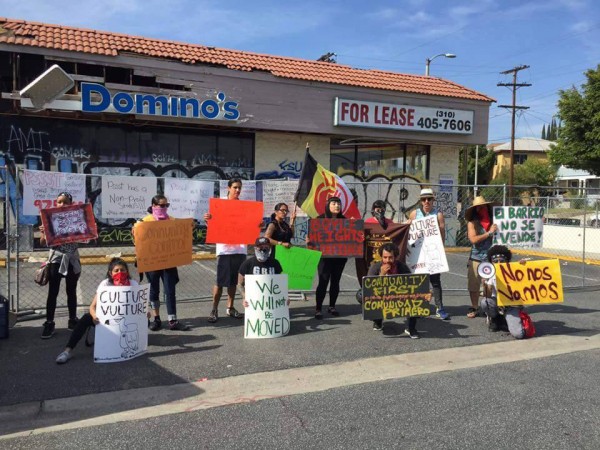
#art #community #development #displacement #gentrification #Los Angeles What is required for art and social justice to coexist within the development of a city? In February, the activist collective known as Boyle Heights Alliance Against Artwashing and Displacement (BHAAAD) made headlines for their picket of gallery 356 S. Mission Road, which occurred during a political organizing meeting called by a group of Los Angeles artists. And earlier[…..]

In response to the Trump administration’s ongoing display of toxic masculinity at work, the Brooklyn Museum’s Elizabeth Sackler Center for Feminist Art has taken the unusual but vital step of incorporating a project about male identity into their “Year of Yes” thematic takeover of the museum. Iggy Pop Life Class by Jeremy Deller is an inquiry into the nature of manhood, corroborated with art-historical artifacts[…..]

#truth #history #narrative #Afropolitan #multiculturalism #future In an age when fact and falsehood are often indistinguishable, The Ease of Fiction is a title that gives pause. The exhibition, now at the California African American Museum in Los Angeles, was curated by Dexter Wimberly for the Contemporary Art Museum in Raleigh, North Carolina. Having been invited to participate in the exhibition’s collateral programming as a speaker[…..]
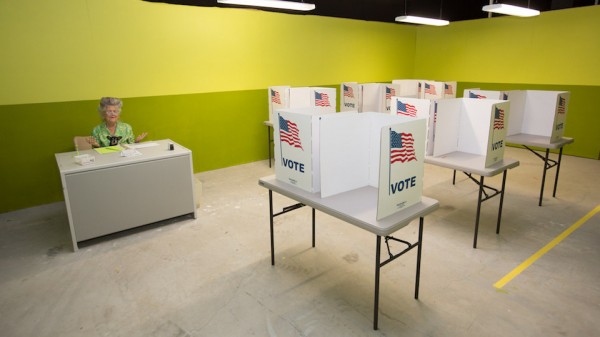
#privatization #gentrification #immigration #violence #history #freedom At the time of this writing, Pedro Reyes’ Doomocracy installation at the Brooklyn Army Terminal feels like a relic of a bygone era. Just one week after the project’s close, it is difficult for this writer to remember what it felt like to laugh at a funhouse of political horrors, featuring privatized national parks, designer oxygen boutiques, anti-abortion pep rallies, and[…..]
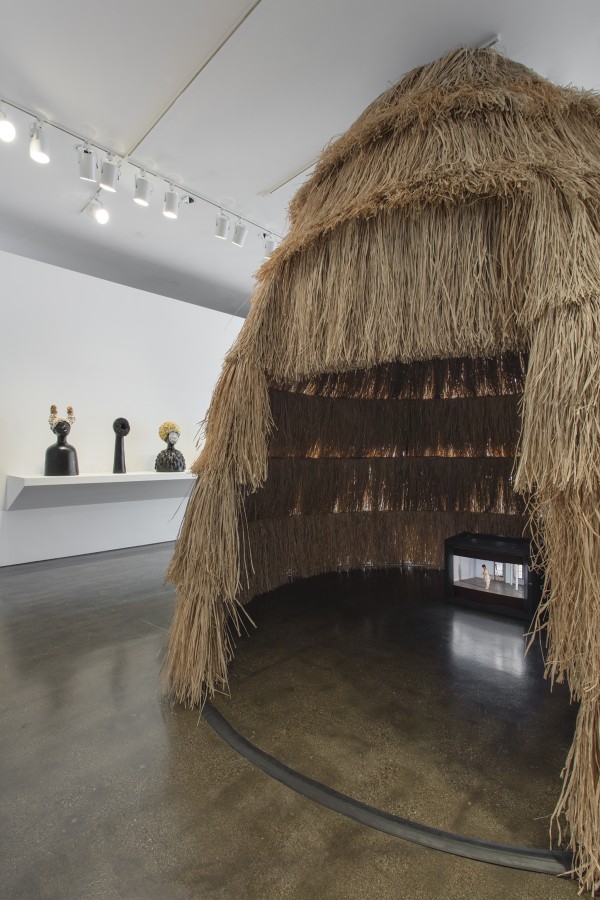
#museums #race #representation #institutional critique The recent controversy over Kelley Walker’s exhibition Direct Drive at the Contemporary Art Museum St. Louis, and the departure of that exhibition’s curator, Jeffrey Uslip, was another reminder that museums are not built and programmed for all audiences alike. As this column has taken up questions of race in the museum on numerous occasions (and class in the museum, and[…..]












