







Madrid
I Spy with My Little Eye … A New Generation of Beirut Artists at Casa Árabe
From our friends at REORIENT, today we bring you a review from Madrid. Author María Gómez López notes that this exhibition of works connected to the city of Beirut “presents a complex network of challenges, connotations, and overlaid topics that reveal a unique and genuine vision, as well as a rediscovery of the world from a different perspective.” This article was originally published on September 28, 2015.
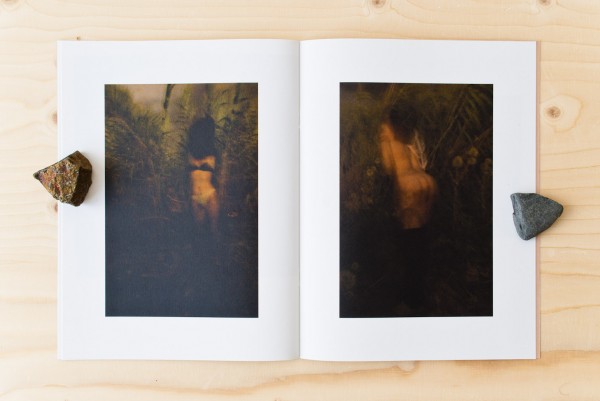
Lara Tabet. The Reeds, n.d. Courtesy of Oodee Books and the Village Bookstore.
The participating artists hail from different parts of the world, evidence of the fact that their connection with the Lebanese capital is not necessarily one of citizenship. In some cases, the artists live or have lived there, own a studio there, or simply look to Beirut as a source of inspiration. The fact that these “Beirut artists” are not necessarily Lebanese citizens introduces a new conception of identity detached from geographical origins or bonds, which takes into account other phenomena. As Fellrath explained during a tour of the exhibition, one of the shared objectives of this new wave of artists is transcending the language and conflict-centered proposals of the preceding postwar generation. Instead of a collective process of archiving, preserving memories, and reconstructing the past, this generation is more individualistic, highlighting the significance of the present, the value of the intimate, the expressive possibilities of the material, and the shift in the conception and definition of art.





