







Atlanta
Sprawl!: Drawing Outside the Lines at the High Museum of Art
Sprawl! Drawing Outside the Lines presents a compelling case for an expanded notion of drawing and draftsmanship in contemporary art. With over 100 drawings culled from artists and creative workers within the sprawling suburban metropolis of Atlanta, it’s a much-anticipated sequel to the 2013 exhibition Drawing Inside the Perimeter, which instigated the museum’s public commitment to acquiring and exhibiting the work of local artists. Sprawl! registers as a strong statement of institutional support and acknowledgement from the High Museum to the diversity of the artistic community working within and just outside the capital city.
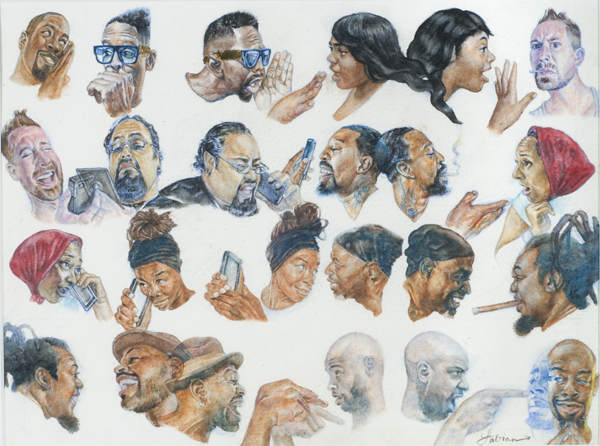
Fabian Williams. Gossip, 2014; watercolor on paper; 8 x 10 in. Courtesy of the High Museum of Art, Atlanta.
In regard to urban planning, sprawl—or the unregulated and uncontained expansion of bodies, buildings, industries, and urban traffic—is often used as a pejorative term. Like many cities, Atlanta struggles to form a stable identity in the aftermath of a series of gentrification booms (beginning in the late 1990s) that disturbed the historically dominant African American demographic with an influx of Hispanic, Asian, and white populations to the city. Paving the way for the demolition of public-housing projects and low-income initiatives that supported the residents of the inner city, Atlanta’s association with aggressive forms of urban growth finds a more utopian expression in this exhibition. Framed as a melting pot of ethnic and creative heterogeneity, Sprawl! equates the overwhelming influx of new inhabitants to the area with the sprawling, spreading, expansive processes of drawing itself.
This sense of connection and community is powerfully explored in Fabian Williams’ tenderly executed work Gossip, an appropriation of Normal Rockwell’s The Gossips (1948), both of which depict a taxonomy of social types or “characters” laughing, talking, and gesticulating. While the figures exude a sense of energy and liveliness that overwhelms the spaces of the other figures, the exaggerated expressions and movements rub uncomfortably against a form of a biting sarcasm that accompanies the history of pencil drawing and caricature. Reminiscent of the sketchbooks of the 18th-century British social satirist and artist William Hogarth, Williams’ work is as joyful as it is disturbing in its exploration of issues of social class, ethnicity, cultural stereotypes, mass technology, and 21st-century life in Atlanta.
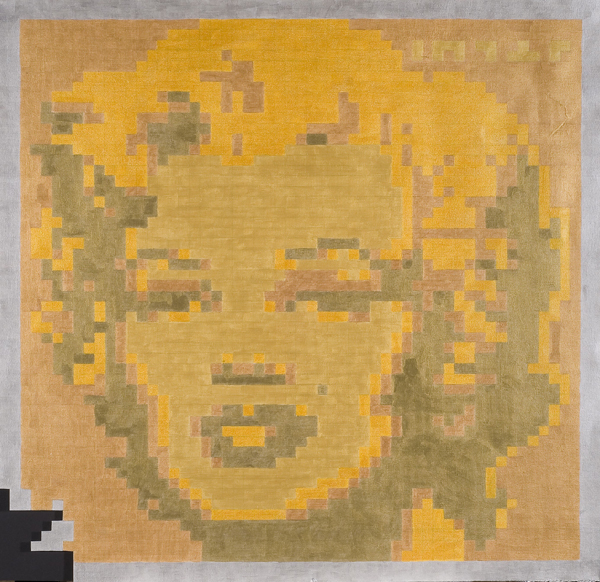
Ashley Anderson. Faux Sho, 2012; metallic ink and acrylic on paper, 28 1/2 x 28 in.
Eager to explore the medium-specific boundaries and conventions of what a drawing is and what it can do or achieve, the exhibition opens the gallery space to forms of artistic production that are often marginalized or left unconsidered by institutions concerned with achieving and/or sustaining their commitment to “high art” or art that overtly engages with the modern tradition and conceptualist values. As the financial and corporate center for the Southeast, Atlanta is often overlooked as an international art city due to its position as a commercial center for pop music, hip-hop culture, and media broadcasting.
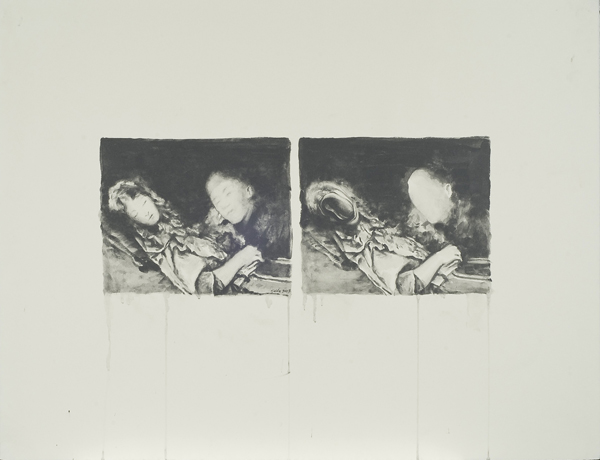
Caomin Xie. The Broken Other, 2013; graphite on paper; 20 x 26 in. Courtesy of the High Museum of Art, Atlanta.
Yet it is the clash and collaboration of different communities and regional ways of life that has enriched the city and attracted new residents over the past two decades. For Atlanta, sprawl is not just traffic congestion and renovation projects, but collective forms of engagement and support, as financial and institutional resources continue to grow across the visual- and performing-arts communities. For curator Michael Rooks, the Weiland Family Curator of Modern and Contemporary Art at the High, it was clear that attention needed to be paid to the rich archive of creative work taking root in the city as well as further afield. Thus, Sprawl! not only maps out the fluctuating contours of Atlanta’s diverse population of creative professionals, but renders visible the newly invigorated dialogue between local artists and the museum. Presented as a long-term initiative to continue to take stock of the landscape and collect Atlanta-based art, this series of exhibitions has been utilized by Brooks as a kind of archival project of interests and genres that are shaping contemporary art and culture within the region. Looking at the rich collection of international artists based in Atlanta and exhibited in this show, such as Caomin Xie and In Kyoung Chun, it is clear that the High wants to expand our understanding of Southern culture in the 21st century. With his appointment as curator in 2010, Rooks is more than just a steward of the High’s collection, but an active participant in the growth of the museum as well as the local art community. With Sprawl!, Rooks reinvigorates the original role of the curator as public servant by grounding his focus and attention in the communities and exhibition-goers that will undoubtedly nudge Atlanta forward as a significant center for meaningful contemporary art.
Sprawl!: Drawing Outside the Lines is on view at the High Museum of Art in Atlanta through October 4, 2015.





